


'/%3e%3cdefs%3e%3clinearGradient%20id='paint0_linear_29402_5666'%20x1='292.729'%20y1='-330.5'%20x2='1399.49'%20y2='1931.47'%20gradientUnits='userSpaceOnUse'%3e%3cstop%20offset='0.274038'%20stop-color='%23D254FE'/%3e%3cstop%20offset='1'%20stop-color='%233B0CA6'/%3e%3c/linearGradient%3e%3c/defs%3e%3c/svg%3e)
'%20d='m10.17%201.83-8.34%208.34C.66%2011.34%200%2012.93%200%2014.59V29.5C0%2030.88%201.12%2032%202.5%2032h14.91c1.66%200%203.245-.66%204.42-1.83l8.34-8.34c1.17-1.17%201.83-2.76%201.83-4.42V2.5C32%201.12%2030.88%200%2029.5%200H14.59c-1.66%200-3.245.66-4.42%201.83Z'/%3e%3cpath%20fill='%23000'%20d='M24%208H4v20h20V8Z'/%3e%3cpath%20fill='%23fff'%20d='M15%2024H6v2h9v-2Z'/%3e%3c/svg%3e)




speaker_01.json_London, United Kingdomconfirmed

the talk_abstract
Software Development as Constrained Optimization
For most of my career, my job was writing code.
Founders, CEOs, CTOs and Directors from Europe's agent infrastructure companies.
Founder & CEO
Founder
Co-founder & CTO
Founder & CEO
Director of Engineering
Lead ACP maintainer
full profile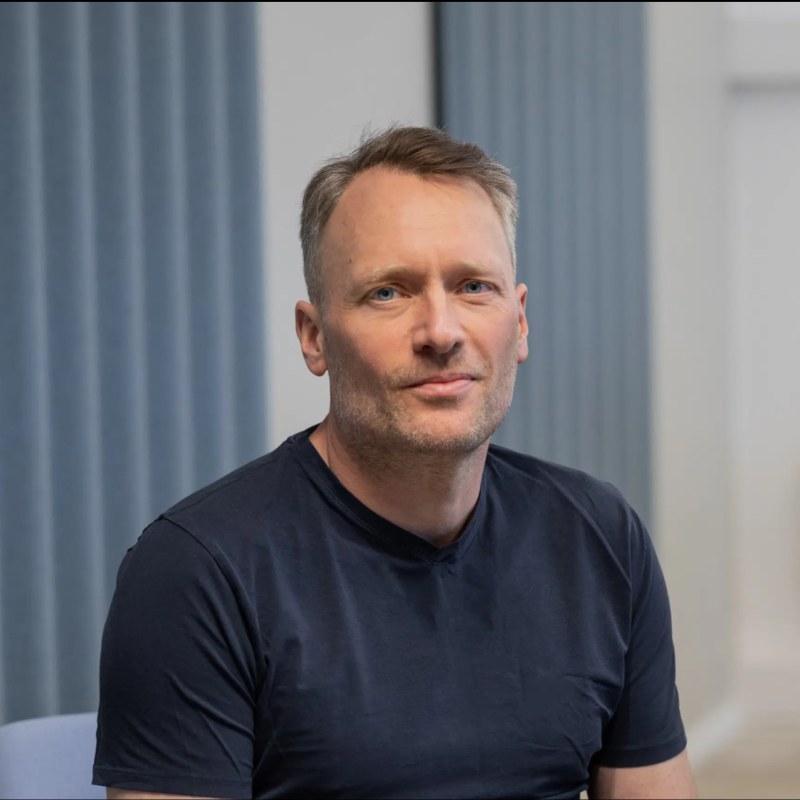
CEO
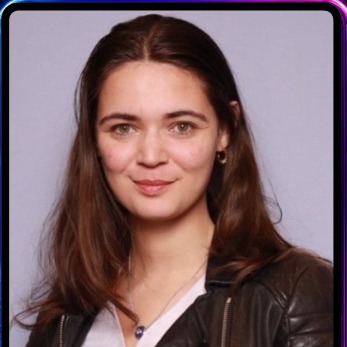
CEO

CTO & Co-founder

CEO
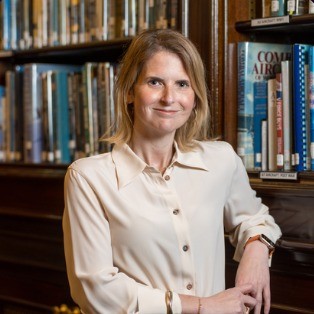
CEO
placed by what they build, not by what they will talk about
> All twelve disciplines are covered by confirmed speakers.
For most of my career, my job was writing code.
A lot of code is generated by agents, and with time, manual coding will go away (almost) completely. What are human engineers going to do then? Will we even have human engineers?
AI agents are changing not only how software is built, but how it needs to be secured. This talk explores the emerging security model for AI-native development, where autonomous agents write code, use tools, interact with untrusted data, and increasingly operate across the entire software lifecycle.
Tobie examines why memory engineering, rather than simply expanding the context window, matters for production agents.
Sergey will explore the latest on ACP and agentic tools from JetBrains.
AI Agents are increasingly bottlenecked on access to the information they need to solve a task. This talk will explain what it takes to enable them to access information that is up to date, complete, accurate, and appropriate for the task at hand.
As models become more capable and agents become more ambitious, long-running agents require abundant, affordable inference. This talk looks at the engineering behind making that possible, from caching and scheduling to throughput and serving efficiency.
Most harnesses prefer browser use to act on the world, even when an MCP tool exists. This talk shows why that default is bad Agent Experience, how MCP, WebMCP, and CLI give agents a real contract on the same features, and what to ship so callable surfaces win selection over scraping your own product.
Stas looks at how to identify problems in voice agents and improve their performance.
Jocelyn examines why most agent benchmarks feel artificial, and what changes when tasks are as underspecified as real work.
